What You Need to Know About Rosacea: Symptoms and Practical Management
Rosacea is a common skin condition that can cause persistent redness, visible blood vessels, and painful bumps on the face. For many people, it’s more than just a cosmetic concern—it can affect daily confidence, work performance, and overall well‑being. This guide breaks down the key signs, practical steps for diagnosis, and simple lifestyle changes that can help you manage flare‑ups and maintain a clear complexion.
What Is Rosacea?
Rosacea is a chronic inflammatory disease that primarily affects the central face: cheeks, nose, forehead, and chin. Although the exact cause is still under study, genetics, immune response, and certain environmental triggers are known contributors.
How Can You Spot the Early Signs?
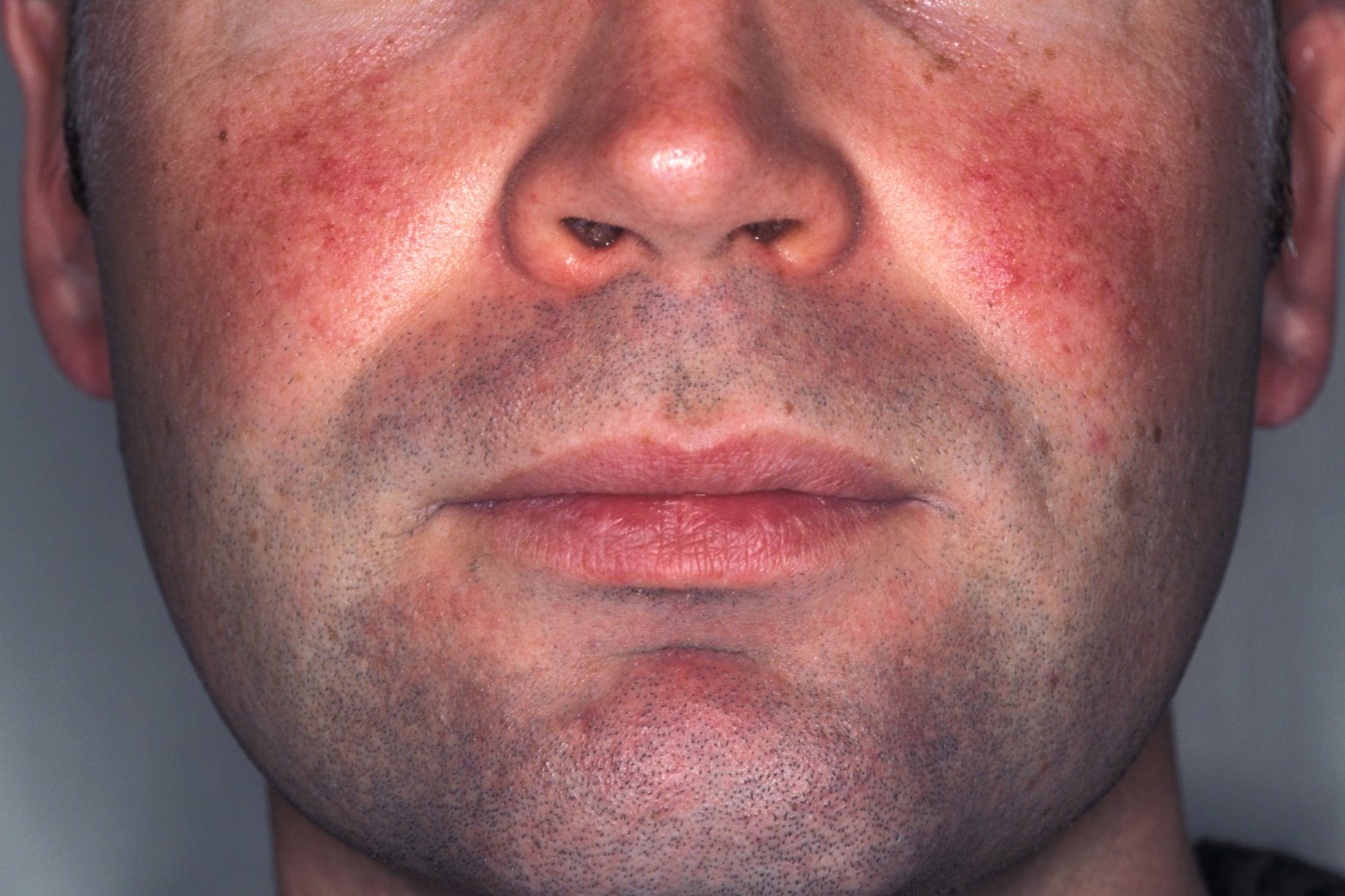
Recognizing the first symptoms can help you seek treatment early, before redness or bumps become more pronounced. Common early signs include:
- Persistent facial redness that looks like a blush
- Visible small veins around the nose and cheeks
- Frequent flushing triggered by heat, alcohol, or spicy food
- Dry, rough patches that may appear scar‑like
What Triggers Rosacea Flare‑Ups?
Understanding what sparks flare‑ups is the first step toward controlling them. Common triggers include:
- Extreme temperatures (hot showers, cold wind)
- Alcoholic beverages, particularly red wine
- Spicy foods and caffeinated drinks
- Stress and lack of sleep
- Certain skincare products containing alcohol or fragrances
When Should You Seek Medical Advice?
While many people manage rosacea at home, persistent or worsening symptoms warrant a professional assessment. Consider an appointment if you notice:
- Sudden increase in redness or swelling.
- Development of pustules or acne‑like breakouts.
- Significant discomfort that interferes with daily activities.
Dermatologists can confirm the diagnosis, rule out similar conditions, and recommend tailored treatment options.
What Are the Practical Treatment Options?
Treatment usually involves a combination of self‑care and prescription medication. Here’s a practical approach you can discuss with your skin‑care specialist:
- Topical therapies: Metronidazole gel or azelaic acid cream can reduce redness and inflammation.
- Oral medications: Low‑dose doxycycline is effective for more severe cases.
- Laser or light therapy: Helps shrink visible blood vessels and improve skin texture.
- Daily skin routine: Use a gentle cleanser, avoid harsh exfoliants, and apply sunscreen with at least SPF 30.
What Lifestyle Tweaks Can You Make?
Small changes can dramatically lower flare‑up frequency:
- Keep a trigger diary to identify patterns.
- Limit alcohol and spicy foods during flare‑ups.
- Use lukewarm water for washing and avoid hot showers.
- Stay hydrated and maintain a balanced diet rich in omega‑3 fatty acids.
- Manage stress through yoga, meditation, or regular exercise.
What Are the Long‑Term Implications?
If left unmanaged, rosacea can lead to skin thickening (phymatous rosacea) and, in rare cases, eye irritation or vision problems (ocular rosacea). Early intervention not only improves appearance but also reduces the risk of these complications.
What Resources Are Available for Support?
Beyond clinical care, numerous resources can help you navigate daily life with